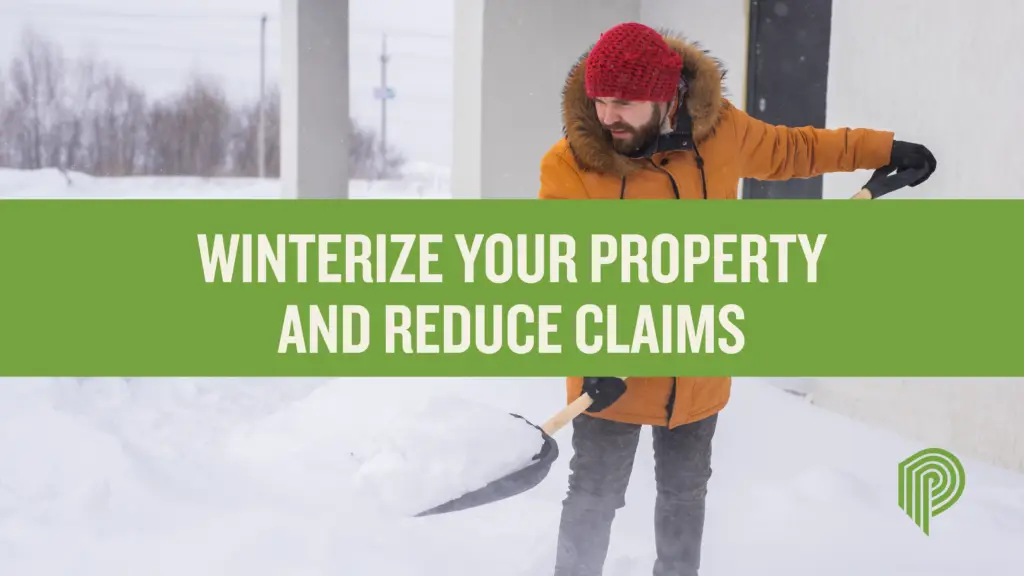
A sudden freeze after a mild autumn catches property owners off guard every year, resulting in burst pipes and expensive claims. A few hours of preparation can prevent most of it.
Southern properties are especially vulnerable, and the reason is construction. Homes built in mild climates routinely run plumbing through unconditioned crawlspaces, attics, and exterior walls with minimal insulation, because for most of the year, it does not matter. When a hard freeze arrives, those are exactly the pipes that fail.
They also tend to fail across a whole neighborhood at once — which means plumbers and restoration contractors are booked solid precisely when you need one, and a repair that would have taken a day takes a week.
Residential Protection
- Pipes and plumbing. Insulate exposed exterior pipes, let faucets drip during hard freezes, and winterize outdoor spigots. For vacant or rental properties, keep the thermostat set to maintain heat and schedule a plumbing inspection after any significant freeze.
- Know where your main shutoff is — and make sure everyone in the house does. This is the highest-value item on this list, and it costs nothing. A burst pipe found ten minutes in is a repair. Found two hours in, it is a restoration project with drywall, flooring, and possibly mold remediation attached.
- Heating safety. Schedule professional HVAC service before severe weather arrives. Avoid unsafe heat sources — open ovens, prolonged unattended use of a fireplace, and space heaters left running overnight all drive winter fire claims.
- Generators. Keep backup power maintained, and operate generators outdoors only. Carbon monoxide from an improperly placed generator kills people every winter, and it does it fast.
Commercial Property Planning
- Set formal action triggers. Put in writing the specific temperature and precipitation thresholds that automatically trigger freeze mitigation and, where relevant, snow load checks. A plan that depends on someone deciding it is cold enough will fail on the night it matters.
- Log your maintenance. A simple digital tracking system for staff checks creates a record you can share. Transparent logs demonstrate active risk management rather than asserted risk management.
- Use it at renewal. Documented maintenance history positions a commercial property for better carrier terms. Underwriters price uncertainty, and a building with a documented freeze protocol is less uncertain than one without.
Review Your Coverage Before the Weather Turns
Proactive maintenance protects your property. The right coverage protects you when maintenance is not enough.
Contact Lynn Swink, LUTCF, Director of Personal Lines Sales, at lynns@palomarins.com or call (800) 489-0105 to schedule a coverage review before winter weather arrives.
For commercial properties, our risk management team can help build the documented maintenance protocols underwriters look for. See our commercial insurance programs.
If a freeze causes damage, our claims team can walk you through reporting and the next steps. Or call the Palomar team to schedule a comprehensive coverage review before winter weather arrives.
